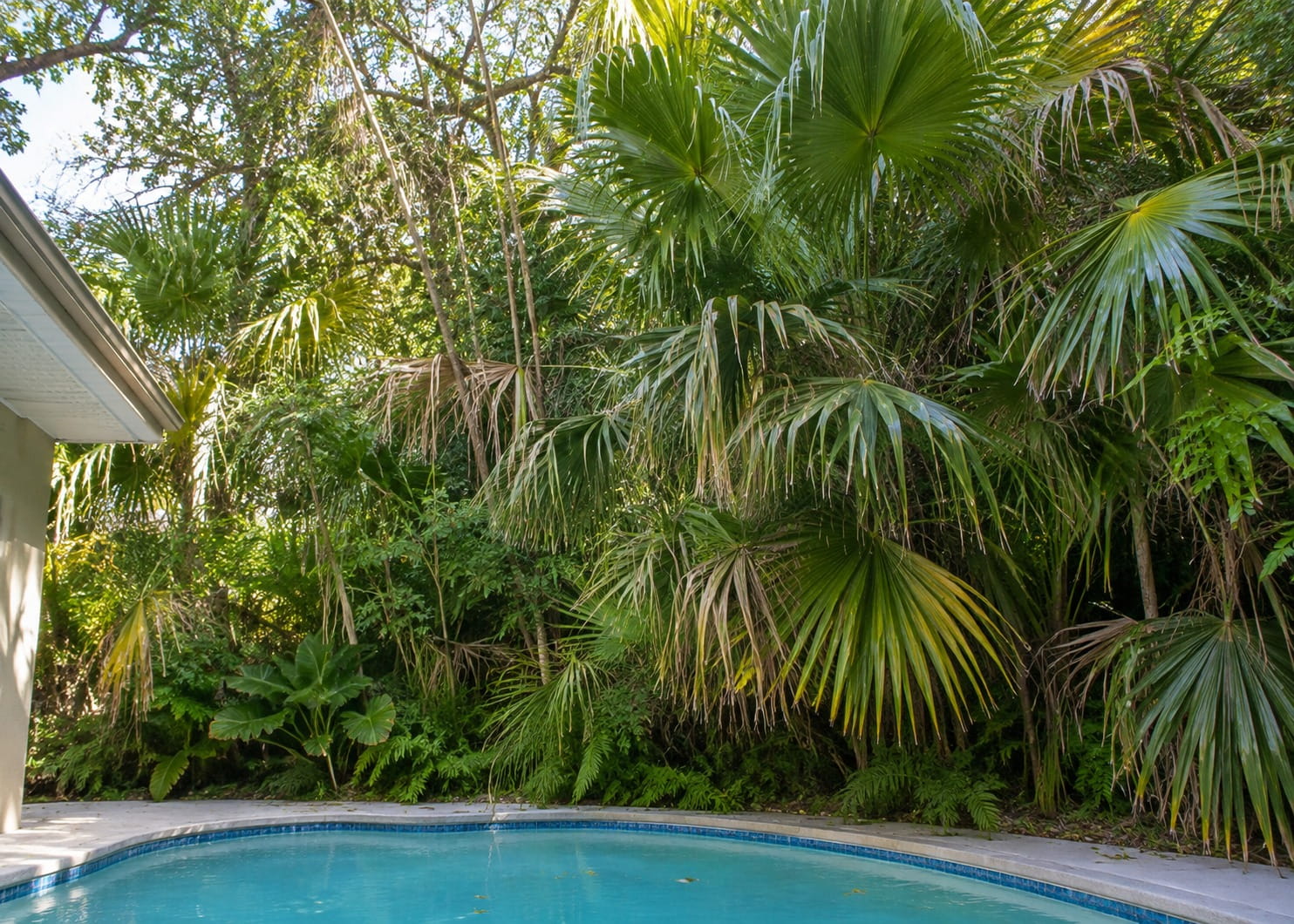
Gold Coast Cabbage Tree Palm Removal
Livistona australis
Removal of cabbage-tree palms on the Gold Coast — a slow-growing protected native, so council approval and keeping it where possible come first.
Cabbage tree palm removal in Gold Coast
Cabbage tree palms are native to South East Queensland and are often protected under local vegetation rules, especially on larger blocks or in environmentally significant areas. This means removal usually needs careful checking before any work can begin. Our experienced Gold Coast palm tree removal team assesses your cabbage tree palm, confirms whether approval is required and helps you through the process with council if needed. Once removal is approved or confirmed as exempt, we take the palm down safely, protect surrounding vegetation and grind the stump. If the palm is healthy and you simply want it moved, we can also look at relocation. You get expert advice, full compliance and a tidy result without the guesswork.
- Council permit checks and approval guidance
- Compliant removal of native palms
- Relocation options for healthy palms
Get a Free Estimate
Tell us the palm's height and how close it sits to the house — most palms can be quoted from a photo.
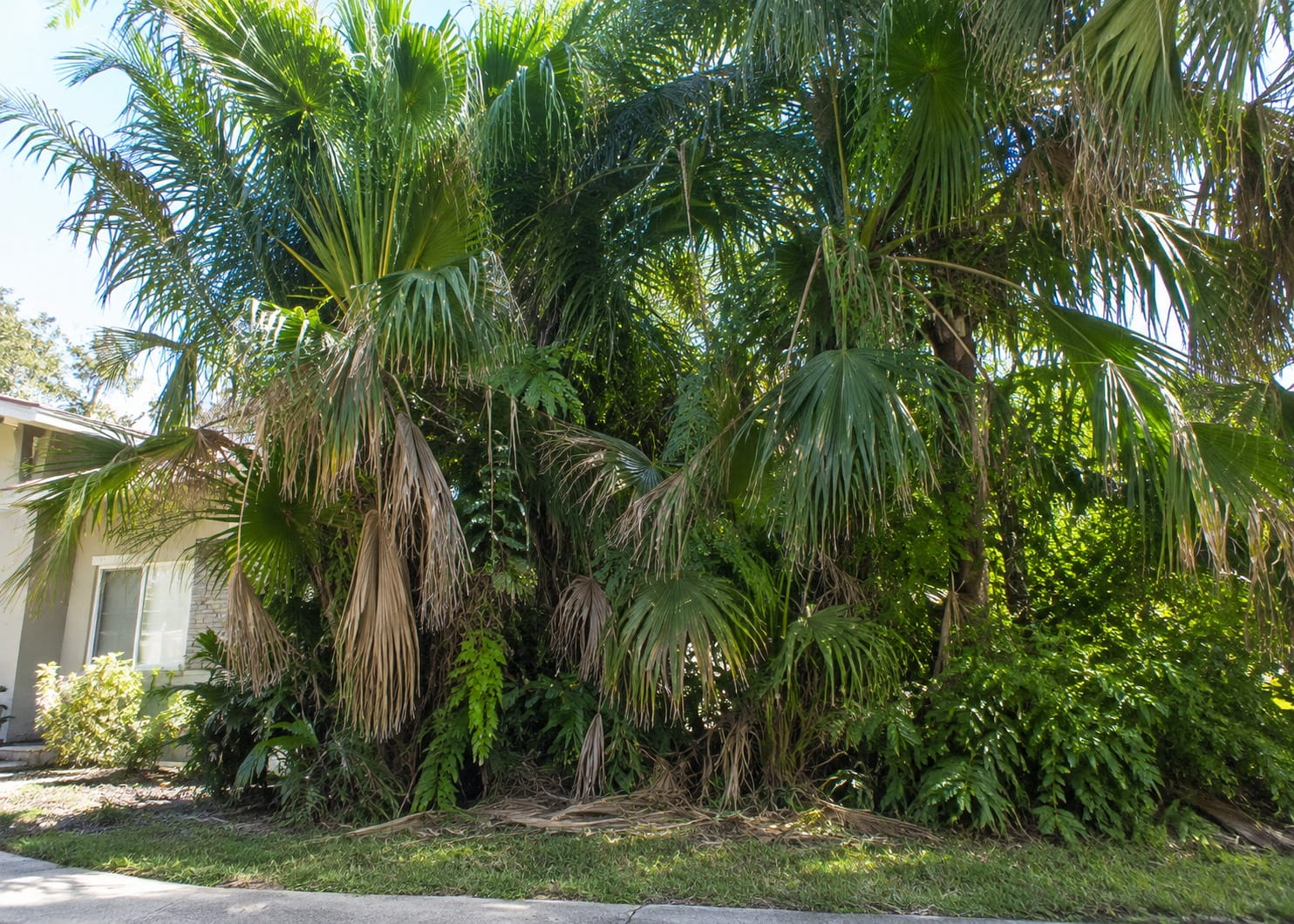
Removing Cabbage Tree Palms in Gold Coast
Cabbage tree palms are a slow-growing South East Queensland native, so removal is usually only needed when one becomes a genuine problem, and because they are often protected, approval is checked first. A mature cabbage-tree palm can reach 15 to 25 metres, and its large fan fronds and spiny stems can fall onto roofs, paths and outdoor areas below. Palms that are dead, diseased, storm-damaged or leaning become a serious hazard, and others simply sit where a new home, extension or driveway needs to go. With the right approvals in place, removal or relocation is handled safely and compliantly.
Cabbage tree palms should be removed when:
- The palm is dead, diseased, storm-damaged or leaning
- Large fronds or spiny stems are falling onto the roof or paths
- It sits where new building or landscaping work is planned
- Council approval confirms removal or relocation can go ahead
- A protected native needs safe, compliant handling
Cabbage tree palm removal services in Gold Coast
Protection status review
As a native palm often protected in South East Queensland, we review your property's zoning and the palm's location before anything else.
Ecological check
We look for nesting birds, fruit-eating wildlife and links to surrounding native vegetation that may affect approval.
Permit application support
Where approval is needed, we help you prepare and lodge the application with council and keep you updated.
Relocation option
Cabbage tree palms often transplant well, so we offer relocation as an alternative that may be easier to get approved.
Compliant sectional removal
Once approved or confirmed exempt, we remove the spiny-stemmed fronds and the tall trunk in controlled sections, protecting nearby native plants.
Stump grinding and site care
We grind the stump, remove all green waste and leave surrounding vegetation undisturbed.
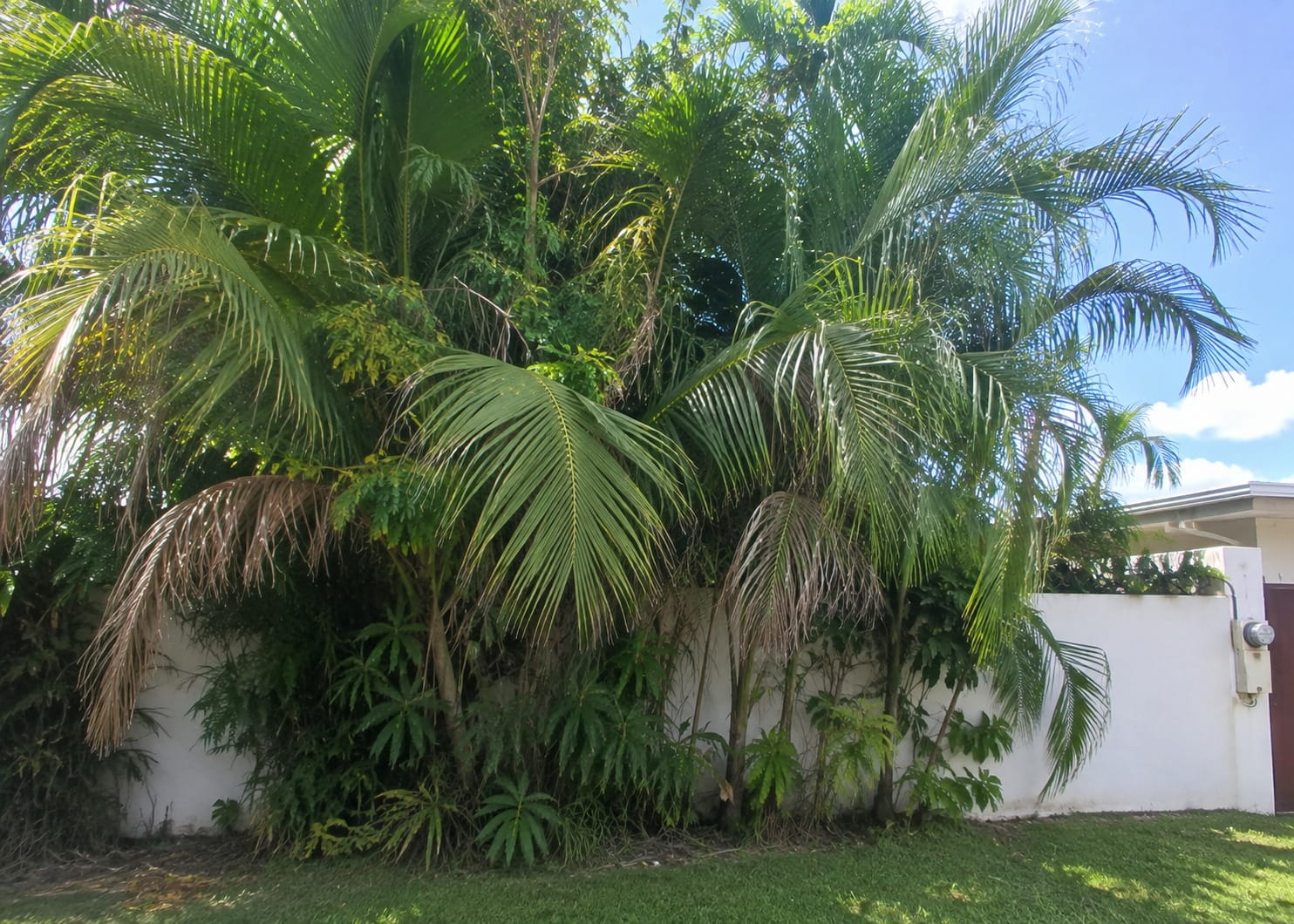
Why cabbage tree palms must be removed
Cabbage tree palms are a valued native species, so removal is usually only needed when a palm creates a genuine problem. Mature specimens can grow very tall, and their large fan fronds and spiny stems can fall onto roofs, paths and outdoor living areas. Palms that are dead, diseased, storm damaged or leaning become a serious safety hazard. Others may sit right where a new home, extension or driveway needs to go. In these cases, removal or relocation may be the only option. With the right approvals in place, a professional removal keeps you safe and compliant.
- Dead, damaged or leaning palms that pose a risk
- Fronds and spiny stems that can fall onto homes
- Palms sitting where new building work is planned
Why choose our cabbage tree palm removal experts in Gold Coast
Cabbage tree palms are a protected native species in many parts of South East Queensland, so removal must be handled with care and the right approvals. Our team reviews your property's zoning and the palm's location, then checks for nesting birds, wildlife and links to surrounding native vegetation. Where approval is needed, we help you prepare and lodge your application with council and keep you informed throughout. Because cabbage tree palms often transplant well, we also offer relocation as an alternative that may be easier to approve. Once cleared to proceed, we remove the spiny-stemmed fronds and tall trunk in controlled sections, protecting nearby native plants. We finish by grinding the stump and removing all green waste, leaving your property tidy and fully compliant.
- Protection status checked for your property
- Council permit support from start to finish
- Relocation offered as an alternative
- Compliant removal that protects native plants
- Fixed-price quotes with no hidden costs
- Fully insured crew and complete clean-up
How Much Does Cabbage Tree Palm Removal Cost in Gold Coast?
Cabbage tree palms are often protected, so the price depends on size, access and whether a council check or approval is needed. Once cleared to proceed, removal is priced on height, and stump grinding is quoted separately.
Cabbage Tree Palm Removal: Common Questions
The cabbage-tree palm is a protected native — can it be removed?
Sometimes, but this is the species where approval matters most. The cabbage-tree palm is an Australian native and is protected on many Gold Coast properties, so we always check the City of Gold Coast's vegetation rules and help you with any approval before any work begins.
Why are cabbage-tree palms treated as significant?
They're slow-growing and long-lived — a tall cabbage-tree palm can be many decades old — and they're a valued part of the local landscape and habitat. That's why councils tend to regulate their removal more tightly than exotic palms.
How tall do they get and how are they removed?
Cabbage-tree palms can reach 15–25 metres on a tall, fibrous grey trunk topped with a crown of fan leaves. Where removal is approved, we lower the crown and trunk in rigged sections so nothing lands on structures below.
Will a cabbage-tree palm grow back from the stump?
No — it's a single-trunk palm with one growing point, so it won't reshoot once cut below the crown. The fibrous trunk base is slow to break down, so we grind the stump out.
Can the palm be kept or relocated instead of removed?
Often that's the better option for a protected native — we can look at crown thinning or deadheading to make it safe, or relocation for a smaller specimen, before removal is considered. We'll talk you through retaining it where the rules and the site allow.
Do the roots cause damage to paving or pipes?
Like other palms the root system is fibrous rather than woody and invasive, so structural damage is uncommon. The main thing left in the ground is the dense trunk base, which we grind below the surface.
What affects the cost of cabbage-tree palm removal?
Height, access for rigging, the stump grind, and any council-approval process the protected status requires. Because of that we always quote cabbage-tree palms after a site assessment.